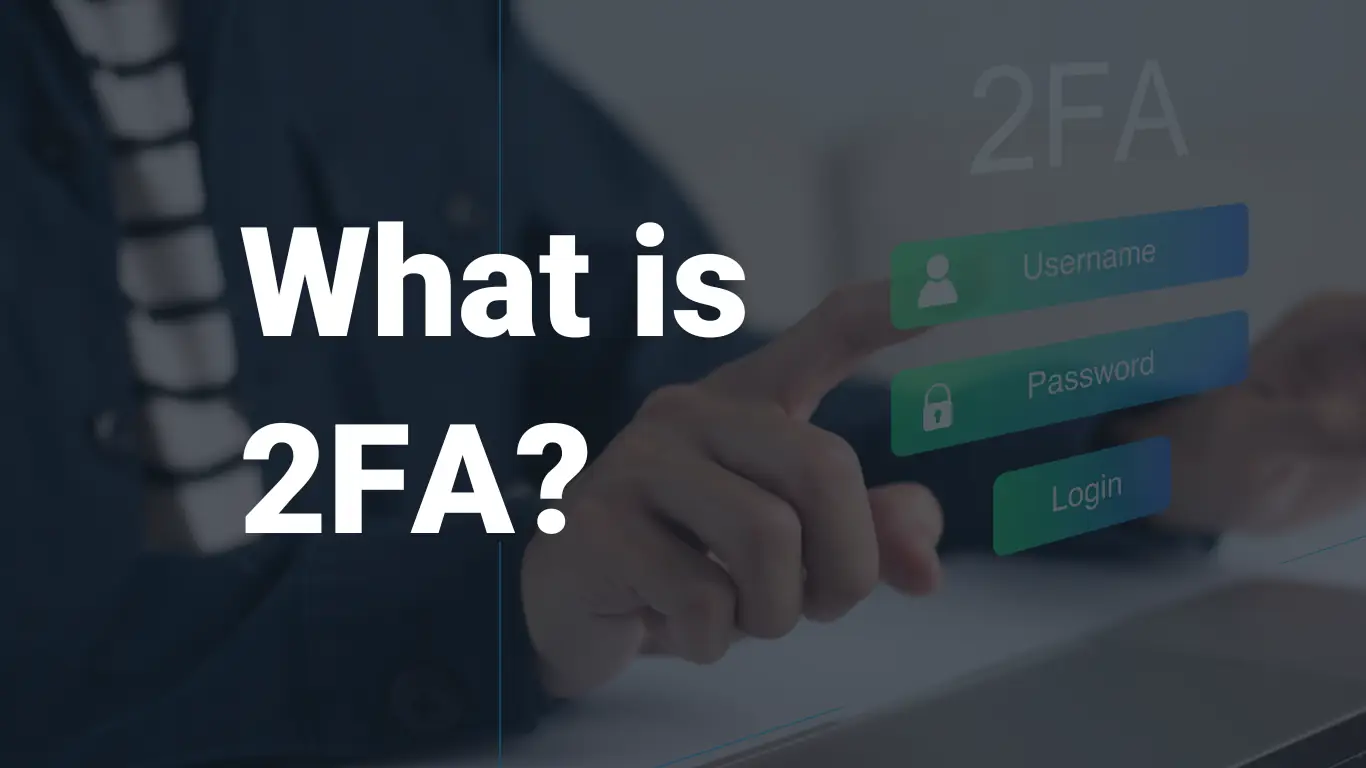

What is Two‑Factor Authentication(2FA)?
Recent cyber incidents show that stolen or weak passwords remain the main way attackers gain access. For SMEs in the DACH region, implementing two‑factor authentication (2FA) is a fundamental step to protect sensitive systems. Combined with MDR services, 2FA adds a strong layer of defence without overcomplicating daily workflows.
Why This Matters for SMEs in the DACH Region
SMEs face growing digital exposure, strict regulatory obligations, and limited IT resources. Implementing 2FA helps:
- Reduce the risk of credential theft
- Support DSGVO compliance requirements
- Protect customer and company data without slowing down operations
For businesses with small IT teams, 2FA is a practical control that immediately raises security levels.
Understanding 2FA
2FA requires users to provide two verification elements to access an account, typically combining:
- Passwords or PINs – something only the user knows
- Devices or authentication apps – such as smartphones, hardware tokens, or apps generating one-time codes
- Biometric data – like fingerprints or facial recognition
Common implementations include authenticator apps (Google Authenticator, Microsoft Authenticator), push notifications to approved devices, hardware tokens, or biometric verification. Even if a password is compromised, the account remains protected unless the second factor is also breached.
The Compliance Perspective
For SMEs in the DACH region, DSGVO compliance requires appropriate technical and organisational measures to protect personal data. 2FA is widely recognised as a recommended security control.
Without strong authentication, businesses risk:
- Data breaches
- Regulatory fines
- Damage to reputation and customer trust
Integrating 2FA with broader security monitoring supports audit readiness and demonstrates a proactive approach to compliance.
How MDR Services Complement 2FA
While 2FA protects accounts, it is only one part of a robust security strategy. MDR services provide continuous monitoring, rapid detection of suspicious activity, and expert response support. Together, they allow SMEs to:
- Detect unusual login attempts in real time
- Respond quickly to incidents before they escalate
- Reduce the overall impact of security events
Combining 2FA with MDR ensures both preventative and reactive protection. Learn more about our MDR services.
Best Practices for Implementing 2FA
- Prioritise critical accounts: Admin, cloud, and remote access accounts first
- Choose effective methods: Authenticator apps or push notifications preferred over SMS
- Use conditional access policies: Enforce 2FA based on location, device, or risk signals
- Educate users: Clear instructions for setup and recovery prevent support bottlenecks
- Integrate with monitoring: Feed 2FA logs into SIEM or MDR systems to detect anomalies
Why Acting Now Matters
Cyber threats continue to rise, and stolen credentials remain the easiest way for attackers to gain access. Enabling 2FA today, together with proactive monitoring via MDR services, protects critical systems, supports DSGVO compliance, and helps maintain trust with clients and partners.
Explore how to strengthen your security: Contact Our MDR Experts.
Final Thoughts
2FA is not just a technical feature—it is a strategic measure that strengthens security for SMEs in the DACH region. Combined with MDR services, it reduces the risk of breaches, helps meet compliance requirements, and safeguards business operations. Implementing 2FA today builds a strong foundation for long-term cyber resilience.